The 30 days after hospital discharge are among the most critical and most difficult to manage in a patient's care journey, yet the nursing shortage has made consistent follow-up nearly impossible. Voice AI offers a practical solution: handling high-volume routine outreach automatically so nurses can focus their expertise where it matters most.
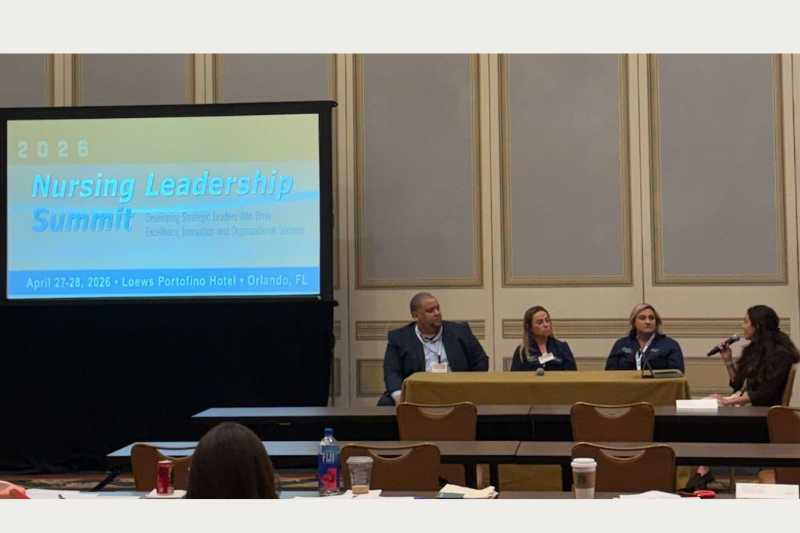
Last week, Tucuvi joined nursing leaders from across the country at the BRI Nursing Summit in Orlando, Florida. Our CEO María González Manso took the stage to present "A Trusted AI Tool for Nurses: How Voice AI Earns a Place on the Care Team" and moderated a panel on developing future nurse leaders covering mentorship, succession planning, and career pathways. The conversations in that room made one thing clear: nursing capacity is at a breaking point, and the people closest to it are actively looking for solutions.
The 30 days after hospital discharge are among the most critical in a patient's care journey and among the most difficult for health systems to manage well. The nursing shortage has made consistent follow-up nearly impossible and CMS readmission penalties have made this window a priority.
The operational mismatch
The workflow itself is the bottleneck. A care transitions nurse spends most of her structured outreach time on patients who are recovering as expected: calls that confirm nothing is wrong, document a handful of responses, and close. That's the highest-cost clinical resource doing the lowest-acuity work. Discharge volumes keep growing. Nursing hours don't. The math doesn't scale, and adding headcount isn't a real option in the current labor market.
Matching work to the right layer
Voice AI restructures the workflow rather than accelerating it. It calls every discharged patient on their existing phone, runs a structured clinical check-in, and evaluates each response against predefined thresholds. Stable patients are documented and closed automatically. Patients flagging a concern are escalated to a nurse with the context already captured.
The outcome is a tiered operating model for ai discharge follow up: routine outreach moves to AI, clinical judgment stays with nurses. Tucuvi's LOLA deployments across more than 70 health systems show what this looks like at scale: 90%+ patient engagement across post-discharge programs.
That's not a marginal improvement. That's a different operating model for patient discharge follow-up.
What this means for nursing capacity
Hospitals aren't going to hire their way out of the nursing shortage and aging population. The more practical question is whether the workflows nurses are being asked to carry are well-matched to their clinical expertise or whether large portions of that work could be handled differently.
Automated discharge calls powered by voice AI represent an answer to that question. They don't replace nursing judgment. They protect it by absorbing the high-volume, structured layer of post-discharge outreach and returning nurses' attention to the patients who need them most.
Health systems don't have to choose between nursing call reduction and consistent patient discharge follow-up. Voice AI healthcare deployments suggest you can have both.
